
The Not So Sexy Renovations
The “Unsexy” Renovations That Can Make or Break Your Home Value
When people think about home upgrades, they picture beautiful kitchens, spa-like bathrooms, and designer finishes.
But after renovating more than 250 homes and working extensively in both construction and real estate, I can tell you this:
The renovations that matter most are often the ones you don’t see.
These are the “unsexy” upgrades—the systems behind the walls and above the ceilings—that can quietly add (or destroy) value in a Southern California home.
If you’re buying, selling, or planning renovations, understanding these big-ticket items is critical.
Why These Upgrades Matter More Than You Think
Cosmetic upgrades attract buyers—but infrastructure upgrades close deals.
When major systems like HVAC, windows, or plumbing are outdated, they:
Raise red flags during inspections
Lead to renegotiations
Reduce buyer confidence
Increase time on market
On the flip side, updated systems create a sense of security—and that translates directly into stronger offers.
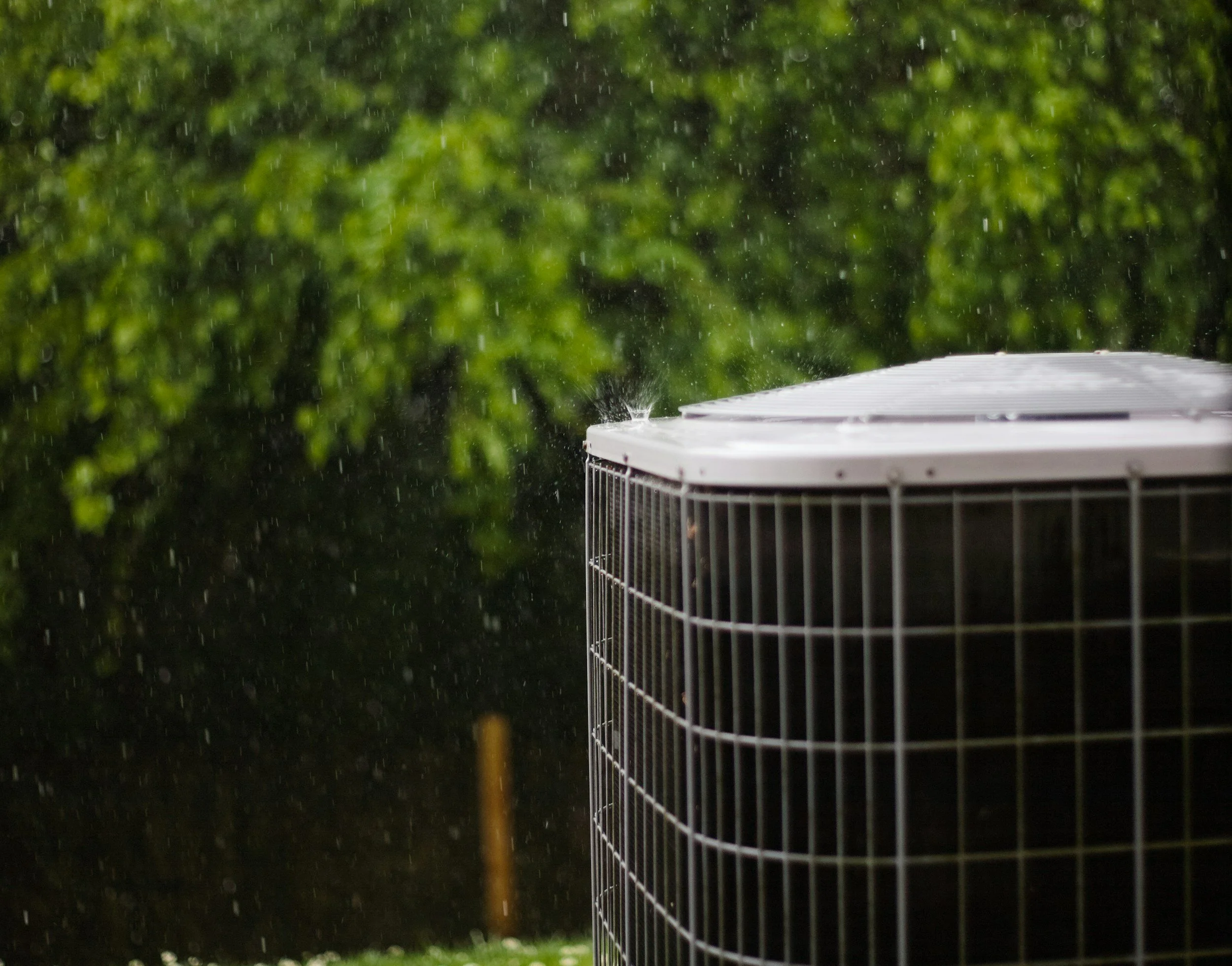
1. HVAC Systems: Comfort Comes at a Cost
Let’s start with one of the biggest—and most overlooked—systems in any home.
What Buyers Care About:
Age of the system
Efficiency (SEER rating)
Consistent heating and cooling
Ductwork condition
Lifespan:
10–15 years on average
Replacement Cost (Southern California):
$8,000 – $20,000+ depending on system size and complexity
ROI Insight:
50% – 70% direct ROI
High “perceived value” to buyers
In Southern California’s climate, HVAC isn’t optional—it’s expected. A newer, energy-efficient system can be a major selling point, especially during warmer months.
2. Energy-Efficient Windows: More Than Just Aesthetic
Windows might seem like a cosmetic feature, but they play a huge role in both comfort and efficiency.
What Outdated Windows Signal:
Poor insulation
Higher energy bills
Potential moisture or seal issues
Benefits of Upgrading:
Improved energy efficiency
Noise reduction
Enhanced curb appeal
Better indoor comfort
Replacement Cost:
$10,000 – $25,000+ for a typical home in Southern California
ROI Range:
60% – 75%
While you may not always get dollar-for-dollar return, updated windows can absolutely help your home sell faster—and with fewer objections.
3. Plumbing Updates: The Hidden Risk Factor
Plumbing is one of those systems buyers rarely think about—until something goes wrong.
And when it does, it can get expensive fast.
Common Issues in Older Homes:
Galvanized piping
Polybutylene pipes
Slab leaks
Low water pressure
Signs You May Need an Upgrade:
Discolored water
Frequent leaks
Inconsistent pressure
Repipe Cost (Southern California):
$8,000 – $25,000+ depending on home size and materials
ROI Reality:
50% – 70% direct ROI
Major deal-protection value
From experience, plumbing issues discovered during escrow can completely derail a transaction—or lead to significant price reductions.
The Real ROI: Confidence and Negotiating Power
Here’s what most homeowners miss:
These upgrades aren’t just about return on paper—they’re about removing uncertainty.
When buyers feel confident about:
The HVAC system
The windows
The plumbing
They’re more likely to:
Submit stronger offers
Waive certain concerns
Move forward without hesitation
That kind of confidence is hard to quantify—but it’s incredibly valuable.
For Sellers: Address These Before You List
If you’re preparing to sell, these are the areas that can quietly impact your bottom line.
Smart Pre-Listing Strategy:
Service your HVAC system and provide documentation
Address any known plumbing issues
Consider window upgrades if they’re visibly outdated
You don’t always need to replace everything—but you do need to understand what condition these systems are in.
For Buyers: Don’t Overlook the Big Stuff
It’s easy to get caught up in finishes—but don’t ignore what’s behind the walls.
What You Should Ask:
How old is the HVAC system?
Have the windows been updated?
What type of plumbing does the home have?
And most importantly—bring in the right inspectors when needed.
The Biggest Takeaway
After working on hundreds of homes, I can confidently say this:
The homes that sell the easiest—and for the best price—aren’t always the most upgraded.
They’re the ones that are well-maintained where it matters most.
